Bright Ideas: Top Linear Light Energy Saving Tips for Your Home
Linear lighting has really come a long way, and if you’re looking to cut down on your home’s energy bill and make things a bit greener, optimizing these fixtures is a fantastic place to start. The good news is, saving energy with linear lights isn’t overly complicated; it’s mostly about making smart choices in what you buy and how you use them. We’ll dive into the practical steps you can take, from upgrading your bulbs to rethinking your layout, to ensure your linear lighting is as efficient as possible.
Upgrading Your Linear Light Sources
When we talk about linear lights, often our minds go straight to the long fluorescent tubes we’ve seen everywhere. But the world has moved on, and so have the energy-saving opportunities. The biggest impact you can make, right off the bat, is by swapping out older, less efficient bulbs for modern alternatives.
The LED Revolution in Linear Lighting
LEDs are truly the game-changer here. If you’re still running traditional fluorescent tubes, even «energy-saver» ones, you’re likely leaving money on the table. LED linear tubes (often called T8 or T5 LEDs, mimicking fluorescent sizes) use significantly less electricity to produce the same amount of light, and they last much, much longer. This isn’t just a small improvement; it’s a fundamental shift in efficiency.
For example, a typical 4-foot fluorescent tube might consume around 32 watts, plus the energy used by its ballast. An equivalent LED tube often uses only 15-18 watts, and many are «ballast-bypass,» meaning they wire directly to your mains voltage, eliminating ballast energy consumption altogether. Over time, especially if you have several of these fixtures, those watt savings add up to substantial cost reductions.
Direct Replacements vs. Ballast-Bypass LEDs
When you decide to switch to LED linear tubes, you’ll generally encounter two main types:
- Plug-and-Play (Ballast-Compatible) LEDs: These are designed to work directly with your existing fluorescent fixture’s ballast. The appeal here is the ease of installation – you just remove the old fluorescent tube and pop in the LED. However, they are still dependent on the ballast, which can eventually fail and will still consume a small amount of energy. If the ballast fails, the LED won’t work, and you’ll need to replace the ballast or switch to a ballast-bypass option.
- Ballast-Bypass (Direct Wire) LEDs: These LEDs are wired directly to your home’s electrical circuit, completely bypassing and eliminating the old ballast. This requires a minor wiring modification to the fixture (typically removing the ballast and connecting the tombstone sockets directly to line voltage and neutral). While it’s a bit more work initially, it offers maximum energy savings (no ballast consumption) and eliminates a common point of failure. It’s often the preferred long-term solution for maximum efficiency and longevity. If you’re comfortable with basic electrical work, or if you’re hiring an electrician, this is usually the better route.
Make sure to check the specifications of any LED tube you’re considering to ensure it’s compatible with your existing setup or if it requires rewiring.
Integrated LED Linear Fixtures
Beyond just replacing tubes, you can also consider integrated LED linear fixtures. These are complete units where the LED light source is built directly into the fixture itself. While they might have a higher upfront cost, they are often designed for optimal performance, heat dissipation, and aesthetics. They can be incredibly sleek and offer excellent light distribution. If you’re renovating or putting in new lighting, skipping tube-based fixtures altogether and going straight to integrated LED linear options can be a smart, future-proof move. They are typically even more efficient than retrofitting tubes into older fixtures.
Smart Control and Usage Strategies
Simply having efficient bulbs isn’t the whole story. How you control and use your linear lighting fixtures plays a huge role in their overall energy consumption. Even the most efficient LED will waste energy if it’s left on when no one needs it.
Dimming Capabilities
One of the fantastic benefits of modern LED linear lighting is its dimmability. Unlike many older fluorescent systems, a vast majority of LED linear fixtures and tubes can be paired with compatible dimmers. This isn’t just about setting the mood; it’s a significant energy-saving strategy.
Think about it: do you always need 100% of the light output in every situation? Probably not. During the day, with ample natural light, you might only need your supplementary linear lights dimmed to 20-30%. In the evening, perhaps 60-70% is enough. When you dim an LED, it consumes less power, directly translating to lower energy bills. It also extends the lifespan of the LED, as running them at lower power typically generates less heat.
Just be mindful that not all LED tubes or fixtures are dimmable, and those that are often require specific LED-compatible dimmers (trailing-edge or leading-edge, depending on the fixture). Using an incompatible dimmer can lead to flickering, buzzing, or even damage to the LED driver.
Occupancy and Motion Sensors
For areas like laundry rooms, utility closets, hallways, or even garages and workshops, linear lights are often left on unnecessarily. That’s where occupancy and motion sensors come into their own. These clever devices automatically turn lights on when movement is detected and off after a set period of inactivity.
- Occupancy Sensors: These are generally more sophisticated, detecting continuous presence (even small movements) and keeping lights on as long as someone is in the room. They are ideal for spaces where people might be stationary for periods, like a home office or a kitchen where you’re cooking.
- Motion Sensors (Vacancy Sensors): These typically only detect initial motion to turn lights on, and then rely on a timer to turn them off. They are great for transient spaces like hallways or pantries where you just need light for a short duration.
Implementing these can virtually eliminate wasted energy from lights being left on by accident. Imagine never having to remind someone to «turn off the light!»
Timers and Smart Lighting Systems
For more predictable lighting needs, timers can be incredibly useful. Maybe your linear lights in a specific area (like under kitchen cabinets) are only needed during certain hours of the evening. A simple wall timer can automate this.
Taking it a step further, smart lighting systems (think Wi-Fi or Bluetooth enabled controls) offer unparalleled flexibility and energy-saving potential.
- Scheduling: You can program your linear lights to turn on and off at specific times, or even adjust their brightness throughout the day based on your routine.
- Remote Control: Forgot to turn off the lights? No problem, just open your app and switch them off from anywhere.
- Integration with Other Smart Devices: Link your linear lights to your smart home hub, voice assistant, or even presence detection (e.g., lights turn on when you arrive home).
- Daylight Harvesting (Advanced): Some sophisticated smart lighting systems can integrate with daylight sensors, automatically dimming or turning off linear lights when sufficient natural light is available, and brightening them as daylight fades. This is a very effective way to optimize energy use, especially in rooms with good natural light.
While smart lighting might have a higher initial investment, the long-term energy savings and convenience can make it a very worthwhile upgrade.
Leveraging Natural Light
This might sound obvious, but it’s often overlooked: the cheapest and most energy-efficient light is the one you don’t have to turn on at all. Maximizing the use of natural daylight can significantly reduce the need for artificial linear lighting.
Strategic Placement of Linear Fixtures
When you’re planning or renovating, consider where your linear lights will go in relation to windows and other natural light sources.
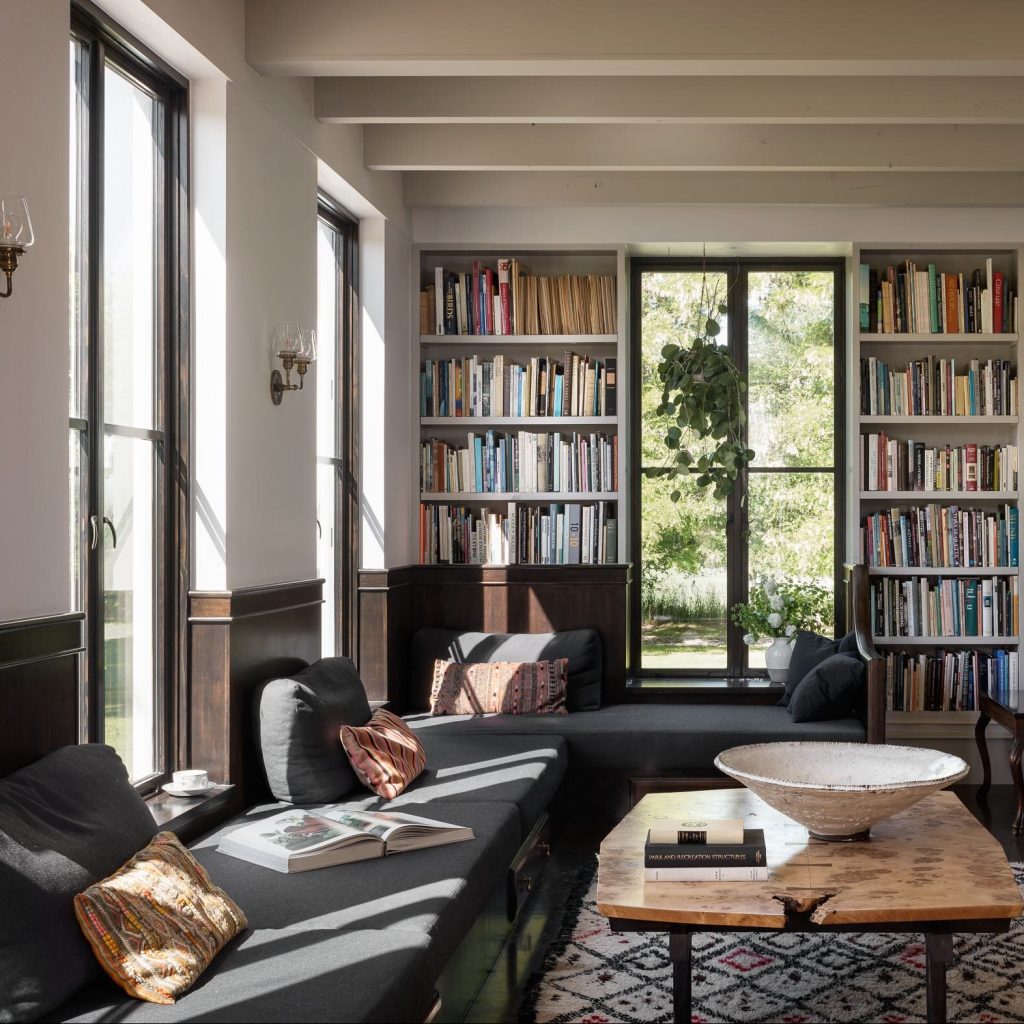
- Avoid Blocking Natural Light: Don’t place tall furniture or shelves in front of windows if possible. Position work surfaces and task areas near windows to take advantage of daylight for tasks.
- Complement, Don’t Compete: Linear lights should ideally complement natural light, filling in shadows or providing light in areas where daylight doesn’t reach effectively. For example, under-cabinet linear lights in a kitchen are great for task lighting, even during the day, as they illuminate the workspace directly, which might otherwise be shadowed by your body.
- Consider Light Color Temperature: While not directly an energy-saving tip, choosing linear lights with a color temperature that harmonizes with natural daylight (often in the 4000K-5000K range) can make the transition between natural and artificial light feel more seamless and less jarring, encouraging reliance on natural light when available.
Optimizing Reflective Surfaces
The surfaces in your room can act as additional «light sources» by bouncing natural light around.
- Light-Colored Walls and Ceilings: Dark colors absorb light, requiring more artificial illumination. Lighter colors (white, off-white, light pastels) reflect light, making a room feel brighter and reducing the need to turn on linear lights as frequently or dim them to a higher level.
- Mirrors: Strategically placed mirrors can work wonders. A large mirror opposite a window can significantly amplify natural light in a room, effectively «doubling» the perceived light source. This can be especially useful in hallways or rooms with limited window access where linear lights might otherwise be heavily relied upon.
- Glossy Finishes: While matte finishes are popular, a slightly glossy paint or surface can also reflect a bit more light, contributing to overall room brightness. However, be careful not to overdo it, as too much glare can be uncomfortable.
- Clean Windows: This sounds incredibly basic, but dirty windows can block a surprising amount of natural light. A regular cleaning schedule for windows and skylights will ensure maximum light penetration.
Transparent Window Treatments
The type of window treatments you use also plays a crucial role.
- Sheer Curtains or Blinds: Instead of heavy, opaque drapes that block all light, consider sheer curtains or blinds that diffuse natural light without completely blocking it. This allows light to enter the room while still providing some privacy and reducing glare.
- Top-Down/Bottom-Up Blinds: These offer flexibility, allowing you to control where light enters the room. You can open the top portion to let in natural light while keeping the bottom covered for privacy.
- Light Shelves/Daylight Redirecting Films: For windows that get intense direct sunlight, light shelves (horizontal shelves placed above eye level on the exterior or interior of a window) can bounce sunlight up onto the ceiling, diffusing it deeper into the room. Daylight redirecting films applied to windows can also achieve a similar effect, distributing light more evenly. These are more advanced solutions but can be very effective in specific situations.
By actively thinking about and optimizing how natural light enters and is distributed within your home, you can significantly reduce your reliance on artificial linear lighting, leading to notable energy savings.
Maintenance and Longevity Practices
Even the most energy-efficient linear lighting system won’t deliver its full potential if it’s not properly maintained. Good maintenance isn’t just about making things last; it’s also about ensuring they operate at peak efficiency throughout their lifespan, ultimately saving you energy and money.
Regular Cleaning of Fixtures
It might seem minor, but dust and grime can accumulate on your linear light fixtures and diffusers over time. This layer of dirt actually acts as a barrier, absorbing light and reducing the overall light output. When light output diminishes, our natural tendency is to compensate by either turning on more lights or leaving them on for longer, both of which increase energy consumption.
- Dusting: A quick wipe-down with a microfiber cloth every few weeks or months can keep diffusers clear.
- Deeper Cleaning: Periodically, especially for kitchen lights where grease and dust can combine, a more thorough cleaning with a mild soapy solution and a soft cloth might be necessary. Always ensure fixtures are turned off and cooled before cleaning.
By keeping your fixtures clean, you ensure that the light produced by your efficient LEDs reaches its intended area without impediment, maximizing the effectiveness of every watt consumed.
Addressing Heat Dissipation
LEDs are known for being cool to the touch compared to incandescent bulbs, but they still generate heat. Proper heat dissipation is crucial for their longevity and efficient operation. An LED that overheats will degrade faster, produce less light over time, and ultimately fail prematurely.
- Proper Fixture Selection: Ensure that any LED linear tube or integrated fixture you purchase is designed for the environment it will be used in. For example, some enclosed fixtures might trap too much heat for certain LED tubes unless they are specifically designed for enclosed environments.
- Adequate Airflow: In some custom installations, ensuring there’s enough space around integrated LED strips or modules for air to circulate can be important. Don’t block vents or heat sinks on fixtures.
- Don’t Overdrive LEDs: Using LEDs with incompatible drivers or dimmers can cause them to operate outside their optimal parameters, leading to overheating. This loops back to using compatible control systems.
By maintaining good heat management, you help your LEDs live up to their advertised long lifespans, meaning fewer replacements and consistent efficiency over time.
Understanding Lumen Depreciation
All light sources, including LEDs, experience lumen depreciation, meaning their light output gradually decreases over time. While LEDs typically maintain a higher percentage of their initial light output for much longer than older technologies, it’s not infinite.
- Don’t Over-Light Initially: When installing new linear lights, calculate the necessary light levels for your space. Don’t install significantly more light than you need, thinking it will compensate for future depreciation. This wastes energy from day one. Instead, choose appropriately bright fixtures for your needs.
- Monitor Performance: While you don’t need to measure lumens regularly, be aware if an area starts to feel noticeably dimmer. It might indicate that your LEDs are reaching the end of their useful life or that there’s an issue. Replacing significantly depreciated LEDs, even if they’re still «working,» can restore proper light levels and maintain effective illumination for tasks, preventing eye strain.
- Quality Matters: Higher quality LED linear lights typically have better thermal management and use higher-grade components, leading to slower lumen depreciation and a longer useful life. Investing a little more upfront in quality can save you money in the long run by delaying replacement costs and ensuring consistent performance.
By being mindful of lumen depreciation, you can make informed decisions about when to replace lights and avoid unnecessarily cranking up other light sources to compensate for fading linear fixtures.
Rethinking Layout and Application
It’s not just about what kind of linear lights you use, but how and where you use them. A thoughtful approach to your lighting layout can drastically reduce energy consumption while still providing excellent illumination.
Task Lighting vs. Ambient Lighting
One of the biggest energy-wasters is using bright, general ambient linear lighting when only specific areas need illumination. This is where the distinction between task and ambient lighting becomes crucial.
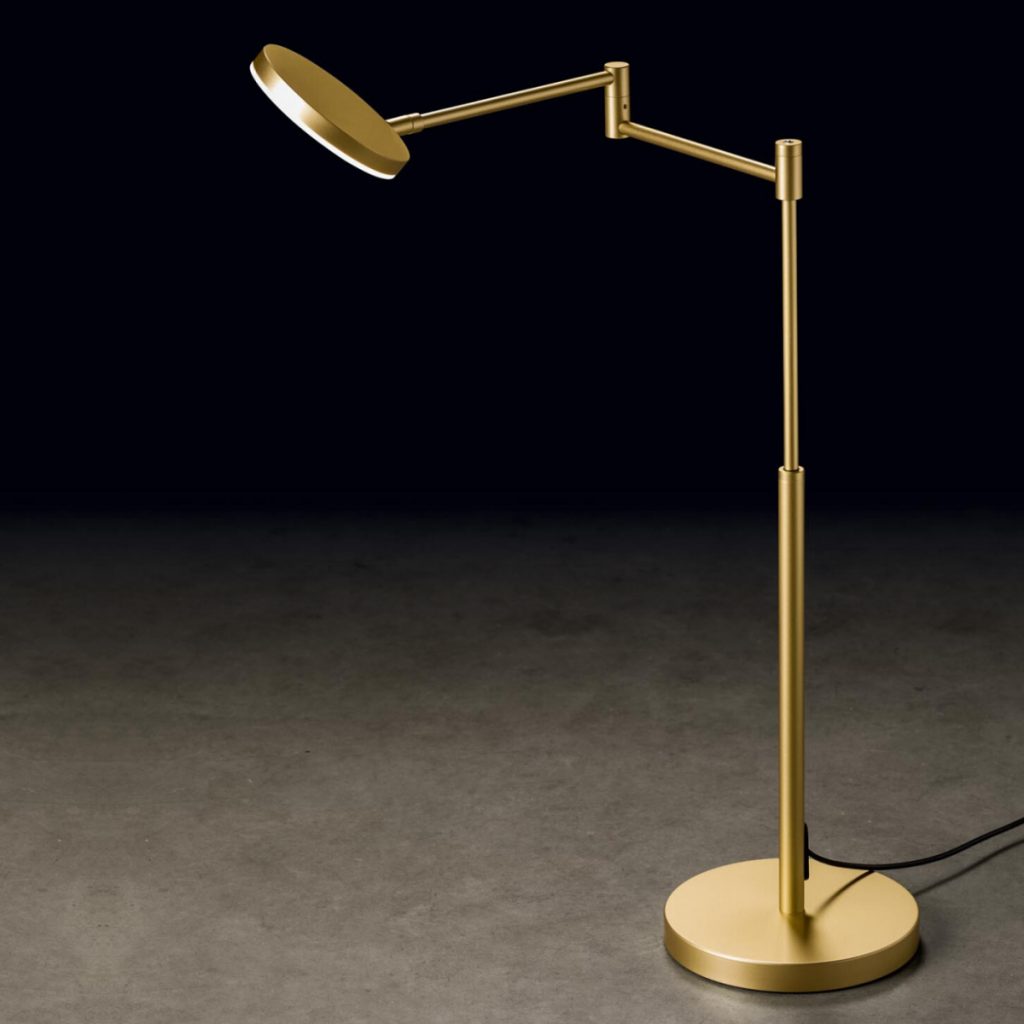
- Task Lighting: This is focused, brighter light directed at a specific area where work is performed. Think under-cabinet linear lights in a kitchen, a linear desk lamp in a home office, or track lighting with linear heads aimed at a hobby bench. By concentrating light precisely where it’s needed, you can use lower wattage bulbs and fewer fixtures for general room illumination.
- Ambient Lighting: This provides general illumination for a space, allowing for safe movement and a comfortable atmosphere. Ceiling-mounted linear fixtures or cove lighting often serve this purpose. The key is that ambient lighting doesn’t need to be extremely bright. It can be softer, indirect, or dimmable, allowing task lighting to take over when more intensity is required.
By combining these two approaches, you can avoid over-lighting an entire room when only a small portion requires intense illumination, significantly cutting down on energy use.
Layering Linear Light Sources
Effective lighting design often involves layering different types of light, and linear lights can play various roles in this.
- General Illumination: As mentioned, ceiling-mounted linear fixtures (like integrated LED panels or strip lights in a utility area) can provide uniform ambient light.
- Task Lighting: Under-cabinet linear lighting is a prime example, but linear fixtures can also be integrated into shelves, workbenches, or specific reading nooks.
- Accent Lighting: Linear LED strips are excellent for accentuating architectural features, artwork, or creating mood lighting in coves, behind moldings, or along toe kicks. While these are often lower wattage, their cumulative effect can be significant if not managed. Using dimmable accent lighting or integrating it into smart control systems is key to energy saving here.
The idea is to use the right amount and type of linear light for each specific need, rather than trying to make one type of fixture do everything at maximum brightness.
Reflective Surfaces and Light Distribution
We touched on reflective surfaces for natural light, but they’re equally important for optimizing artificial linear lighting.
- Light-Colored Surfaces: Again, light-colored walls, ceilings, and floors will bounce artificial light around the room more effectively. This means you might need fewer linear fixtures or can run existing ones at a lower brightness to achieve the same perceived light level.
- Diffusers and Lenses: The diffusers (the covers over the linear light source) play a big role in how light is distributed. Some are designed for wide, even distribution, others to direct light in a specific beam. Choosing the right diffuser for your application can minimize light waste. For example, a clear lens might be great for task lighting where you need direct light, while a frosted diffuser is better for ambient light to reduce glare and spread light more evenly.
- Uplighting vs. Downlighting: Consider using linear fixtures for uplighting (directing light upwards onto the ceiling). This creates a soft, diffused ambient light that feels very comfortable and can make a room feel larger. Because the ceiling acts as a large reflector, it can be a very energy-efficient way to provide general illumination, as opposed to solely relying on harsh downlights.
Zonal Control
Think about your home in «lighting zones.» Not every part of a large open-plan space needs to be lit at the same intensity or at the same time.
- Separate Switching: Ensure that different areas or types of linear lighting (e.g., kitchen under-cabinet lights, dining area linear pendant, living room cove lighting) are on separate switches. This allows you to illuminate only the areas you’re actively using.
- Multi-Gang Switches or Smart Control: For areas with multiple linear light sources, multi-gang switches (a single plate with several switches) or smart lighting systems with scene controls make it easy to manage different zones. You could have a «cooking» scene that brightens task lighting, an «eating» scene that dims task and brightens the dining linear pendant, and a «movie» scene that dims everything to a low glow.
By meticulously planning your linear lighting layout and how you control it, you can achieve fantastic light quality and significant energy savings, ensuring that every watt works harder for your comfort and your wallet.