Linear Light Price & Budget Guide: Find Affordable Lighting Options
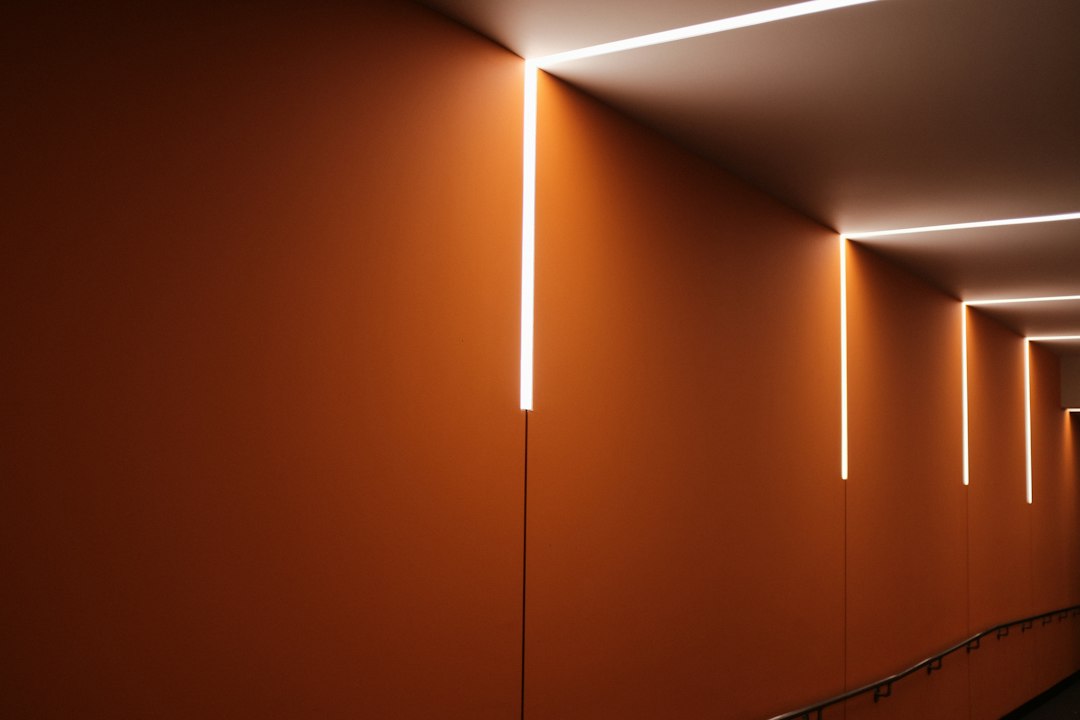
Linear light can be surprisingly affordable, but the price depends heavily on a few key factors like length, lumen output, dimming capabilities, and whether you’re looking for a simple fixture or a smart, integrated system. Don’t worry, there are plenty of options to fit most budgets without sacrificing quality or aesthetics.
Understanding What Drives Linear Light Costs
When you start looking at linear lighting, you’ll notice a pretty wide range in prices. It’s not just random; several core elements influence how much you’ll end up spending. Understanding these helps you pinpoint where you can potentially save or where it’s worth investing a bit more.
Length and Size Considerations
This might seem obvious, but the longer the linear light fixture, the more it will generally cost. More material, more LEDs, and often more complex manufacturing go into longer units. This applies whether you’re looking at a sleek pendant light for a kitchen island or a continuous run of cove lighting.
For instance, a 1-meter linear fixture will typically be less expensive than a 3-meter one with similar specifications. If you need a very long run, sometimes buying several shorter, connectable fixtures can be more cost-effective than a single custom-made very long one, though this isn’t always the case and can sometimes lead to visible seams or more complex installation. Always check how fixtures connect and what additional connectors or power supplies might be needed for extended runs.
Light Output and Lumens
Lumens are essentially how bright the light is. Higher lumen output usually means more LEDs or higher-quality, more efficient LEDs, which translates to a higher price. If you need ambient lighting in a living room, you might not need the same high lumen output as you would for task lighting over a workbench or a commercial office space.
Think about the purpose of the light. For accent lighting, you can often get away with lower lumens and save some money. For general illumination or task-specific areas, a higher lumen output is necessary, and you should factor that into your budget. Don’t just pick the cheapest option; make sure it actually provides enough light for its intended use.
Dimming Capabilities and Controls
Linear lights that offer dimming functionality, especially smooth dimming down to very low levels, will typically cost more. This is because they require more sophisticated drivers and control circuits. Even more advanced options, like tunable white light (where you can adjust the color temperature from warm to cool) or RGBW (color-changing) features, will push the price up further due to the added complexity and component costs.
If basic on/off functionality is all you need, you can save a good chunk of change. However, if you value creating different moods or adapting the lighting to various activities throughout the day, investing in dimmable or tunable options is usually worth the extra cost in the long run for enhanced comfort and versatility. Also, consider the type of dimming – 0-10V, DALI, phase-cut, etc. – as this can impact the overall system cost, including the dimmer switch itself.
Build Quality and Materials
The materials used for the housing, diffusers, and internal components significantly impact the price and durability of a linear light. Cheaper fixtures might use thinner aluminum, lower-grade plastics, or simpler heat sinks, which can affect performance and lifespan. Higher-end fixtures often feature robust aluminum extrusions, high-quality optical diffusers that provide uniform light distribution without hot spots, and better thermal management for the LEDs.
While it’s tempting to go for the cheapest plastic option, especially for concealed applications, investing in better materials often means better heat dissipation, which prolongs the life of the LEDs and maintains consistent light output over time. For exposed fixtures, the aesthetic quality of the materials (e.g., anodized aluminum finishes, seamless diffusers) is also a significant factor.
Integrated vs. Component-Based Systems
Some linear light solutions come as a complete, integrated fixture where the LEDs, driver, and housing are all one unit. Others are sold as components: a separate aluminum profile (channel), an LED strip, and a power supply/driver.
Component-based systems can sometimes offer more flexibility and potentially save money if you’re handy and can assemble them yourself, but they also require more careful selection of compatible parts. Integrated fixtures are generally simpler to install and often come with a single warranty covering the whole unit, but they might be less customizable in terms of LED density or specific driver features.
For DIY projects or very specific custom lengths, components can be great. For general home or commercial use where ease of installation and a cohesive look are priorities, integrated fixtures often make more sense.
Budget-Friendly Linear Light Options
Finding affordable linear lighting doesn’t mean you have to compromise entirely on quality or aesthetics. It’s about making smart choices and prioritizing what’s most important for your specific needs. Here are some strategies and options to consider.
LED Strip Lights with Aluminum Profiles
This is arguably one of the most versatile and budget-friendly ways to achieve linear lighting, especially for custom lengths or hidden applications. You purchase LED strip lights (often in reels of 5 meters or more), cut them to length, and then mount them into aluminum profiles.
The cost savings come from buying standard components. LED strips are mass-produced and quite inexpensive per meter. Aluminum profiles, while adding to the cost, are also widely available and come in various designs (surface mount, recessed, corner). You’ll also need a power supply (driver) and potentially a dimmer, but these are standard components that can be sourced affordably.
Advantages of LED Strips and Profiles
- Customization: You can cut the strips to almost any length, making them perfect for under-cabinet lighting, cove lighting, stair lighting, or even creating custom light fixtures.
- Flexibility: A huge range of LED strip options exists: different lumen outputs, color temperatures (2700K, 3000K, 4000K, 5000K, 6000K), RGBW, and even addressable (pixel) strips.
- Lower Initial Cost: Often, buying components individually is cheaper than a pre-assembled linear fixture of the same quality and length.
- DIY Friendly: With basic wiring skills, installation can be a straightforward DIY project.
Where to Find Them
Online retailers like Amazon, eBay, and specialized LED lighting stores are excellent sources for LED strips, aluminum profiles, and power supplies. Look for reputable brands or sellers with good reviews to ensure quality. Prices for a 5-meter roll of standard 3000K LED strip can start as low as $10-$20, while aluminum profiles vary from $5-$20 per meter depending on design and finish.
Non-Dimmable Fixtures
As mentioned earlier, dimming capability adds to the cost. If you’re lighting an area where you consistently need full brightness, or if you already have a switch that controls the fixture, opting for a non-dimmable linear light can shave off a noticeable amount from the price tag.
Think about areas like utility rooms, closets, garages, or even certain task lighting scenarios where adjustable brightness isn’t a priority. You’ll often find that the simpler, non-dimmable versions of otherwise similar fixtures are significantly cheaper.
Standard Color Temperatures (Fixed White Light)
Tunable white or RGBW linear lights are fantastic for creating specific moods or changing the ambiance, but they come at a premium. If your budget is tight, sticking to a fixed white color temperature will be much more affordable.
Decide on the color temperature that best suits your space and stick with it:
- Warm White (2700K-3000K): Cozy, inviting, good for living rooms, bedrooms, and dining areas.
- Neutral White (3500K-4000K): Balanced, good for kitchens, offices, bathrooms, and general utility.
- Cool White (5000K-6000K): Bright, crisp, sometimes used for task lighting, garages, or commercial spaces.
Choosing one fixed color temperature simplifies the internal components and drivers, leading to a lower price point.
Shorter Lengths and Modular Design
If you need a long run of linear light, but a single, continuous custom fixture is too expensive, explore options that allow for connecting multiple shorter units. Many manufacturers offer linear fixtures in standard lengths (e.g., 1 ft, 2 ft, 4 ft, 8 ft) that can be seamlessly joined together.
While you’ll still pay for the total length, these modular systems are often more cost-effective than a single, custom-made very long fixture. Just ensure the connectors are designed to minimize light gaps and that the overall aesthetic is consistent. Some systems might require additional power feeds for longer runs, so factor that into your planning.
Bulk Purchases and Deals
For larger projects, or if you need multiple linear fixtures, check if retailers offer bulk discounts. Many lighting suppliers will reduce the per-unit price when you purchase a certain quantity. It’s always worth asking, especially if you’re outfitting an entire home or a small commercial space.
Keep an eye out for sales, closeout deals, or refurbished items from reputable vendors. Sometimes, a specific model might be discontinued, offering a chance to grab quality lighting at a significantly reduced price. Just ensure you understand the warranty and return policy for such items.
Where to Find Affordable Linear Lighting
Knowing where to look is half the battle when trying to stick to a budget. There are various channels, each with its own advantages.
Online Retailers (Amazon, eBay, Alibaba)
These platforms are treasure troves for linear lighting components and ready-made fixtures, especially if you’re comfortable with DIY or component-based solutions.
Pros:
- Vast Selection: Unparalleled variety in terms of length, lumen output, color temperature, and features.
- Competitive Pricing: Many sellers, including manufacturers, compete on price, often leading to excellent deals.
- User Reviews: You can often find detailed reviews from other buyers, which can help assess quality and reliability.
Cons:
- Quality Variance: Quality can vary wildly. It’s crucial to read reviews, check seller ratings, and understand return policies.
- Technical Support: Support might be limited compared to specialized lighting stores.
- Warranty Concerns: Warranties might be shorter or harder to claim from international sellers.
Tips for Online Shopping:
- Filter by Price: Use price filters to quickly narrow down options within your budget.
- Check Specifications: Don’t just look at the price; verify lumens, CRI (Color Rendering Index), input voltage, and dimming compatibility.
- Look for Bundles: Sometimes LED strips, profiles, and power supplies are sold as kits, which can be more convenient.
Home Improvement Stores (Lowe’s, Home Depot)
These stores typically carry a selection of more consumer-grade linear lighting, often in integrated fixture formats.
Pros:
- Convenience: Easy to pick up locally, see samples in person, and return if needed.
- Familiar Brands: Often stock well-known brands that come with a certain level of trust and warranty.
- DIY-Friendly Options: Many products are designed for easy installation by homeowners.
Cons:
- Limited High-End Options: Might not have the specialized or commercial-grade linear lighting.
- Less Customization: Fewer options for specific lengths or component-based systems compared to online specialists.
- Potentially Higher Prices: For comparable quality, sometimes prices can be a bit higher than online-only retailers.
What to Look For:
- Under-cabinet lighting: Usually a good selection of affordable plug-and-play linear fixtures.
- Utility strip lights: Basic, functional linear lights for garages or workshops.
- LED tape light kits: Often come with a short length of LED strip, a small power supply, and sometimes a basic controller.
Specialized Lighting Retailers (Online and Brick-and-Mortar)
These stores focus exclusively on lighting and often cater to both residential and commercial clients.
Pros:
- Expert Advice: Sales staff often have deep knowledge and can help you select the right product for your needs.
- Higher Quality Products: Tend to stock more reputable brands and higher-quality fixtures.
- Better Warranties and Support: Generally offer stronger warranties and more reliable customer service.
Cons:
- Higher Prices: Prices can be higher due to specialized inventory and expertise.
- Less Bargain Hunting: Not typically the place for super-cheap options, but you’re paying for reliability and quality.
When to Choose Them:
If you have a complex project, need specific technical guidance, or are willing to pay a bit more for guaranteed quality and support, these retailers are a good choice. They are excellent for finding commercial-grade linear lights or more aesthetic architectural options.
Practical Tips for Budgeting and Installation
Sticking to a budget for linear lighting isn’t just about finding the cheapest components; it also involves smart planning and considering the overall project cost, including installation.
Map Out Your Lighting Needs
Before you even start looking at prices, figure out exactly where you need linear light and why. Is it for task lighting under kitchen cabinets? Ambient lighting in a cove? A feature light in a hallway?
- Length: Measure precisely. Don’t guess.
- Brightness: Do you need bright task lighting (e.g., 300-500 lumens/foot) or subtle accent lighting (e.g., 100-200 lumens/foot)?
- Color Temperature: Decide between warm, neutral, or cool white.
- Dimming: Is dimming a necessity or a luxury you can forgo?
- Power Access: Where will the power come from? Are there existing outlets or junction boxes nearby?
A clear plan prevents overspending on features you don’t need or under-buying and having to purchase additional components later.
Consider DIY vs. Professional Installation Costs
Installation is a significant part of the overall cost, especially for electrical work.
DIY Installation:
- Savings: If you’re comfortable with basic electrical work (low-voltage wiring for LED strips is generally safer, but high-voltage connections always require caution), you can save substantially on labor costs.
- Tools: Ensure you have the necessary tools (wire strippers, screwdriver, multimeter, potentially a soldering iron for LED strips).
- Safety: Always prioritize safety. Turn off power at the breaker, use appropriate connectors, and if unsure, consult a professional.
Professional Installation:
- Cost: Budget for electrician fees. These can vary widely by region but expect to pay hourly rates or per-fixture rates.
- Expertise: Professionals ensure safe, code-compliant installation, especially for hardwired fixtures or complex systems.
- Warranty: Professional installation can sometimes preserve fixture warranties that might be voided by improper DIY installation.
For simpler, plug-and-play linear lights or low-voltage LED strip kits, DIY is often feasible. For hardwired fixtures or complex, integrated systems, consider hiring a licensed electrician.
Don’t Forget Power Supplies and Accessories
Many linear light components, especially LED strips, don’t come with everything you need. You’ll likely need to purchase:
- LED Drivers/Power Supplies: Crucial for converting mains voltage to the low voltage (e.g., 12V or 24V DC) required by LED strips. Match the voltage and ensure the wattage rating is sufficient for your total LED strip length.
- Connectors: For joining LED strips, extending wires, or connecting to power supplies. Solderless connectors can save time if you’re not comfortable soldering.
- Dimmer Switches/Controllers: If you opt for dimmable lighting, you’ll need compatible dimmers. For tunable white or RGBW, you’ll need specific controllers.
- Wiring: Appropriate gauge wire for connecting components.
- Mounting Hardware: Clips, screws, or adhesive tape for profiles and fixtures.
Factor these «hidden» costs into your budget. They can add up, especially if you need multiple power supplies for separate zones or longer runs.
Prioritize Key Areas
If your budget is truly constrained, prioritize where quality and specific features are most critical.
- High-Visibility Areas: For living rooms, kitchens, or areas where the fixture is a design element, invest in better build quality, uniform light, and potentially dimming.
- Task-Critical Areas: For workspaces or kitchen counters, focus on adequate lumen output and appropriate color temperature over fancy features.
- Hidden Areas: For cove lighting where the fixture itself isn’t seen, you can often save money on less aesthetically refined profiles or components.
By strategically allocating your budget, you can achieve impressive results without breaking the bank. Sometimes, a few well-placed, higher-quality linear lights can make a bigger impact than many cheap, poorly performing ones.
Long-Term Cost Savings and Energy Efficiency
While the initial purchase price is a major budget consideration, it’s equally important to think about the long-term operational costs and overall value. Linear LED lighting offers significant savings here.
Energy Consumption
LEDs are inherently very energy-efficient. Compared to traditional fluorescent tubes or incandescent bulbs, linear LED fixtures consume significantly less electricity to produce the same amount of light. This translates directly to lower utility bills month after month.
When comparing linear lights, look at the «lumens per watt» (lm/W) rating. A higher number indicates greater efficiency. While the most efficient fixtures might have a slightly higher upfront cost, they will save you more money over their lifespan through reduced energy consumption.
Lifespan and Maintenance
One of the biggest advantages of LED linear lights is their long lifespan. Most quality LED fixtures are rated for 25,000 to 50,000 hours, and sometimes even more. This means you won’t be replacing bulbs or entire fixtures nearly as often as you would with older lighting technologies.
- Reduced Replacement Costs: No need to buy replacement bulbs frequently.
- Lower Labor Costs: If you’re paying someone to change lights in a commercial setting, the reduced frequency of replacement saves significant labor costs.
- Consistent Performance: Quality LEDs maintain their brightness and color temperature much better over their lifespan than other light sources.
Even if a budget-friendly linear light has a slightly shorter lifespan than a premium one, it will still far outlast traditional alternatives, offering substantial long-term savings.
Durability and Heat Management
Good linear light fixtures, especially those with robust aluminum profiles, are designed to dissipate heat effectively. Heat is the enemy of LED lifespan. Better thermal management, even if it adds a little to the initial cost, ensures the LEDs operate at cooler temperatures, preserving their efficiency and extending their useful life.
When choosing components for DIY LED strip systems, select profiles that are appropriately sized for the LED strip’s power output. A wider, deeper profile with more surface area will dissipate heat better than a thin, minimalist one for a high-power strip.
Smart Controls for Further Savings
If your budget allows for dimmable or smart linear lighting, you can unlock even further energy savings.
- Occupancy/Vacancy Sensors: Lights turn on only when someone is present and off when a space is empty. Perfect for hallways, utility rooms, or restrooms.
- Daylight Harvesting: Sensors detect natural light levels and dim artificial lights accordingly, saving energy during brighter parts of the day.
- Scheduling: Program lights to turn on/off or dim at specific times, optimizing energy use for predictable schedules.
While the initial investment in smart controls is higher, the long-term energy savings and convenience can make them a worthwhile consideration for larger installations or commercial environments.
In conclusion, finding affordable linear lighting is very achievable. By understanding the factors that influence price, exploring various budget-friendly options, knowing where to shop, and planning carefully, you can illuminate your space effectively without overspending, while also benefiting from the long-term savings and efficiency that LED technology provides.